

There’s something endlessly fascinating about looking back at British Food Traditions, especially in the quieter months of the year. Long before convenience foods and packed diaries, meals were shaped by the seasons, necessity and a deep-rooted sense of ritual. Winter, in particular, brought with it dishes and customs that might sound unusual today, but once made perfect sense.
January is the ideal time to explore these forgotten food stories. Not for nostalgia alone, but to appreciate how much care, creativity and meaning went into everyday eating. Many of these traditions may have faded, but their spirit still feels reassuringly familiar and rooted in British Food Traditions that valued warmth, generosity and community.
Curious British Food Traditions From Winter’s Gone By
One of the most common winter meals in historic Britain was Pottage. This thick, slow-cooked dish was made from vegetables, grains and whatever meat scraps were available. It simmered gently for hours, sometimes days, and was designed to nourish, warm and waste nothing. These practical yet comforting meals sat at the heart of British Food Traditions, particularly during colder months when fresh produce was limited.
Celebration foods were just as intriguing. Twelfth Night cakes often contained hidden beans or peas to crown a temporary king or queen for the evening. Food was never simply fuel. It was part of the entertainment, full of meaning and tradition, showing how deeply British Food Traditions were woven into moments of celebration and togetherness.
Another lesser-known winter dish was Frumenty, a rich mixture of wheat, milk and spices served at festivals and church gatherings. Sitting somewhere between savoury and sweet, it was filling and indulgent, even if it sounds unusual to modern tastes. Yet for generations, it was a familiar and comforting part of British Food Traditions during the darkest months of the year.
Forgotten Puddings, Preserves And Sweet Comforts
Sweet dishes also played an important role during winter, particularly when fresh fruit was scarce. Dried fruits, honey, spices and preserved apples were often used to create dense puddings and baked dishes designed to last. These were foods made to be sliced, reheated and shared over several days, offering warmth and reassurance during long evenings.
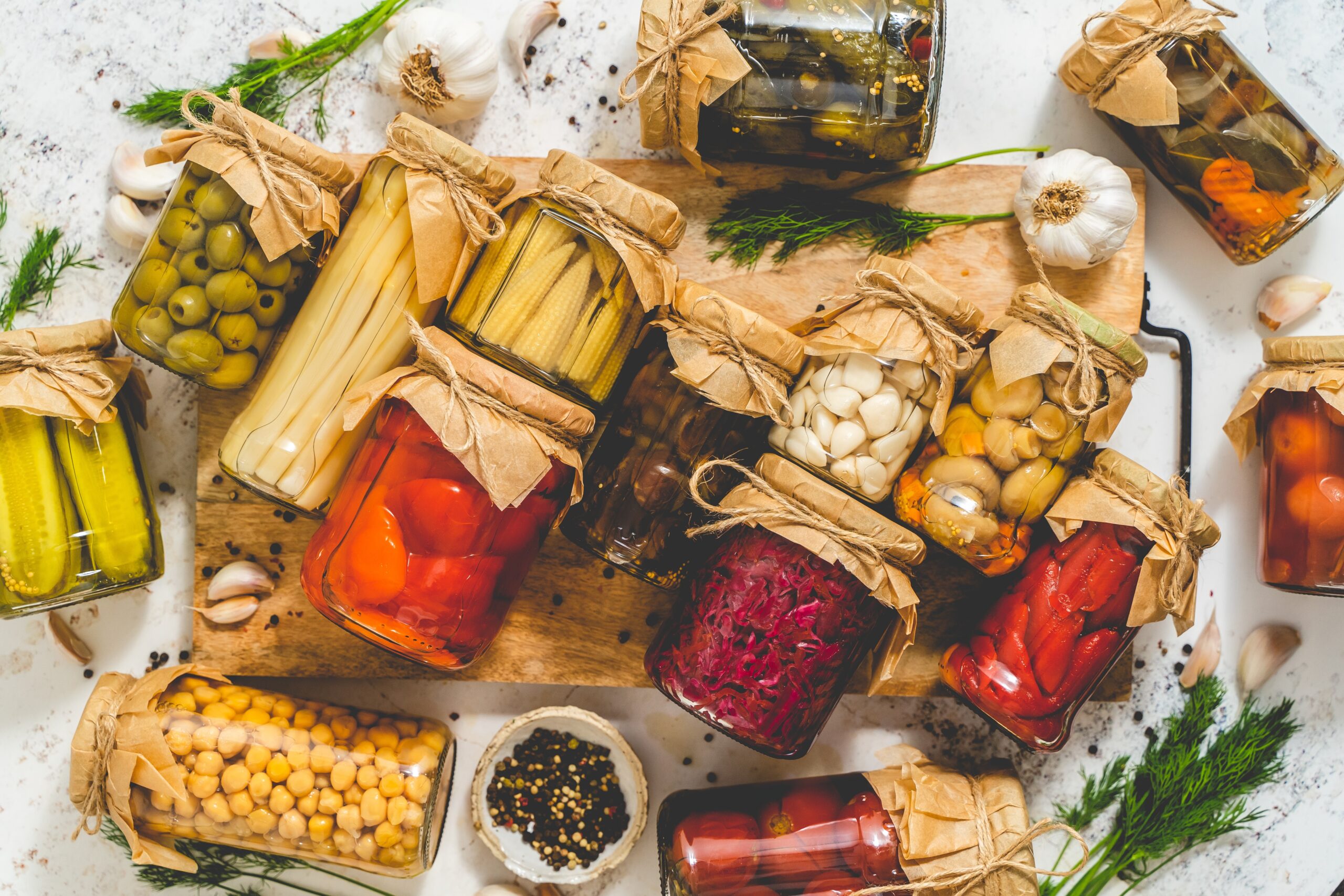
Many households relied on preserving to see them through until spring. Pickling, drying and storing fruit were essential skills, and these preserved foods often became part of seasonal celebrations. What might seem basic now was once a quiet luxury, turning stored ingredients into something comforting and special when it was most needed.
Food, Folklore And Old Beliefs
Food was also closely tied to superstition and belief. Certain dishes were thought to bring good luck, protect the household or ensure a successful year ahead. Bread, in particular, held symbolic importance, often marked with crosses or shared in specific ways to ward off misfortune.
Some winter meals were eaten communally for practical reasons, but they also carried meaning. Sharing from the same pot or loaf reinforced trust and connection, reminding everyone at the table that food was something to be respected and never wasted.
Feeding A Crowd Before Modern Catering
Large gatherings looked very different before plated courses and neatly styled canapés. Food was often served in generous shared dishes placed at the centre of the table, encouraging guests to help themselves and linger a little longer. These communal meals highlight how British Food Traditions prioritised connection and conversation as much as the food itself.
This style of eating created a relaxed atmosphere, where meals unfolded slowly and naturally. Hosts focused less on presentation and more on ensuring everyone was well fed, warm and welcome. It is an approach that still feels comforting today, especially during colder months.
While we may not eat frumenty or pottage now, echoes of these customs remain. Seasonal menus, sharing-style dishes and comforting flavours still feel right, particularly for winter celebrations. You can see this influence in everything from relaxed wedding catering to thoughtfully planned corporate catering for events, where corporate caterers in Essex, like us, often return to these timeless principles.
At their heart, British Food Traditions remind us that food has always been about more than trends. It’s about feeding people well, marking moments and creating memories around the table. That same philosophy continues today through bespoke caterers Essex and trusted catering companies Essex who understand that good food should always feel meaningful as well as delicious.
Still Bringing People Together Around The Table
If reading about these forgotten traditions has you thinking differently about food and how it brings people together, we’d love to hear from you. Whether you’re planning something special or simply enjoy seasonal, thoughtful menus, please feel free to contact us to share ideas or start a conversation.